

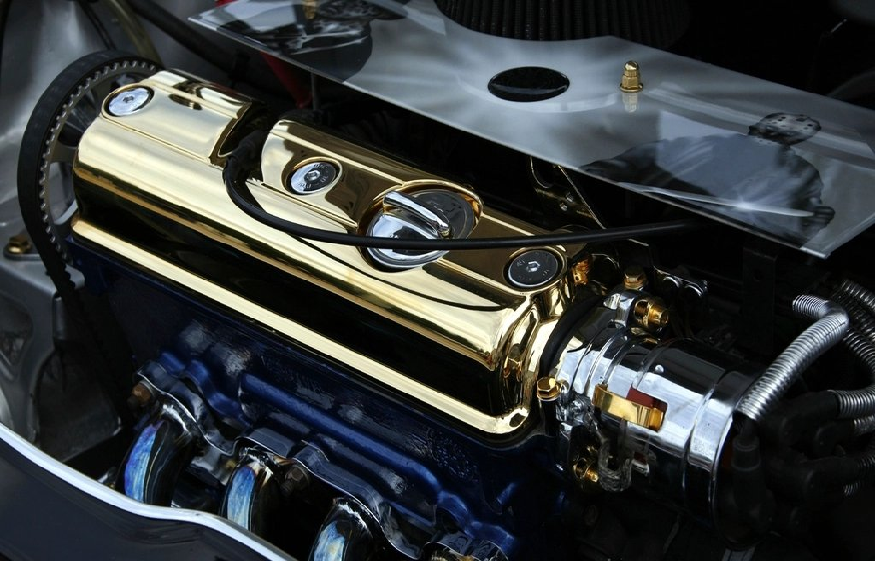
Most engine replacements that fail early do not fail because the engine was bad. They fail in the first 1,000 miles because nobody told the owner what those miles are for.
You have just paid for a new heart for your car. The shop hands back the keys, the idle sounds smooth, and the temptation is to drive it exactly the way you drove the old one. Here is what to do instead, week by week.
Day one: before you leave the shop
Ask three questions at the counter. Which fluids went in, and which brand and grade of oil? Was a new oil filter and coolant used? What is the warranty registration process? Many used-engine warranties require proof of an oil change or a specific service within a set mileage, and the paperwork from day one is your starting point. Keep the invoice in the glove box, not in a kitchen drawer.
If the engine came from an importer, look up its warranty page too. Suppliers like JDM Engine Direct publish the conditions for their used Japanese engines, and installers who follow them closely are the ones whose customers rarely end up in a warranty dispute.
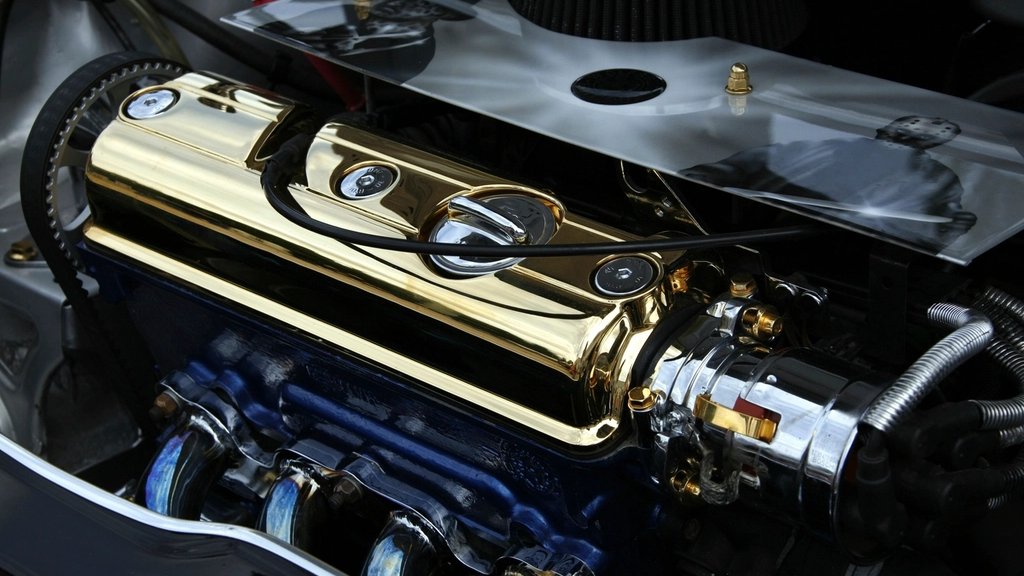
The first 50 miles: watch, don’t push
Drive gently and keep your eyes on the gauges. Temperature should settle where your old engine sat. Pull over if the needle climbs, if the oil light flickers, or if you smell coolant. Air trapped in the cooling system after a swap is common and easy to fix, but only if someone catches it early.
Read More: Embrace Hybrid Work with Jackery Solar Generator 300 Plus: The Ultimate Portable Laptop Charger
Park on clean cardboard overnight. A few drops are a clue; a puddle is a phone call.
Miles 50 to 500: vary the load
Steady highway cruising at one speed for hours is not ideal right now. Mix city and highway, vary your speed, and avoid full-throttle runs, towing and redline. A used engine has already broken in its rings, but new gaskets, a new seal or two and freshly torqued components all benefit from moderate, varied driving.
Around 500 to 1,000 miles: the first oil change
Change the oil and filter early. This first change flushes out gasket fragments, sealant bits and anything loosened during installation. Many installers recommend doing it somewhere between 500 and 1,000 miles. Look at the old oil. Some fine particles are normal. Glitter-like metal or a milky color is not, and either one is worth a call to the shop that same day.
After that: back to normal, with records
- Return to the oil interval in your owner’s manual.
- Recheck coolant level cold, a few times in the first month.
- Listen for new ticks or knocks on cold starts.
- Log every service with date and mileage.
Winter adds a wrinkle. If the swap happened in cold weather, give the engine a minute or two of gentle idling before you drive off, and avoid hard acceleration until the temperature gauge moves. Fresh seals and gaskets prefer a gradual warm-up, and you will hear any new noise more clearly in a quiet garage than in traffic.
Read More: From Waste to Wealth: The Business Opportunities in Recycling Catalytic Converters
That log is boring. It is also the single best tool you have if something does go wrong under warranty, and the best selling point if you decide to sell the car later. An engine with a documented first thousand miles is worth more than one without.